
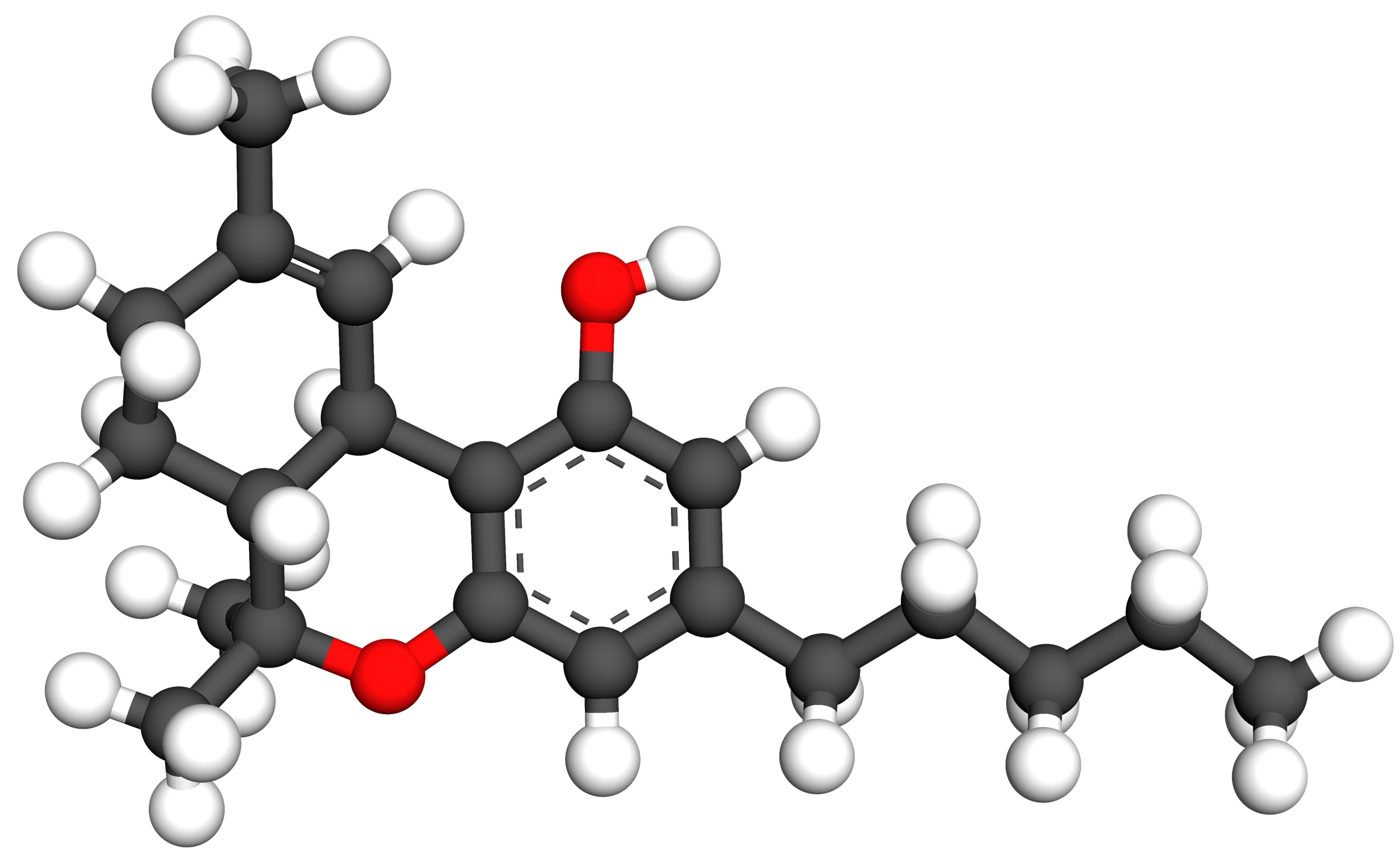
The quality control processes for THC consumption have come a long way since the late 90s. Ryan Hice of New River Distilling in Deep Gap sent us a lab certificate showing exactly how much THC was in a 12-ounce can of seltzer, down to the hundredth of a milligram. It was 4.56 milligrams.
That's one detail from the people who make and sell hemp THC products around the High Country. They talked about third-party lab testing, child-resistant packaging and no sales to anyone under 21. That’s a long way from the dime bags we remember from high school, with no label and nobody to ask but your friend’s “guy” who sold it.
Times have changed. For the hemp industry in North Carolina, they're about to change again.
A federal law set to take effect Dec. 11 would take any hemp product with more than 0.4 milligrams of THC and similar cannabinoids combined per container out of the legal definition of hemp. Most of the people we talked to call that a ban in practice, and by their count the majority of what they sell is over the line. Products under it can still be sold, but 0.4 milligrams is less than a tenth of the 4.56 in that seltzer. The date is written into the stopgap spending bill the president signed Sept. 2, which says the new definition applies only to a narrow group of products until then. A first piece of the law, covering cannabinoids the cannabis plant can't make on its own, took effect last week.
We talked to four people who make or sell hemp THC products here. They don't agree on how bad it gets. All four want these products regulated.
The shops plan to stay open
Josh Lardie is the chief compliance officer — purveyor of a very impressive mustache — and director of government affairs at Apotheca, a chain that says it has about 70 stores in four states, including one on Howard Street in Boone. He says nothing much changes for the chain on Dec. 11.
"Under state law, we would be legal and compliant, and under federal law, we'd be illegal and non-compliant."
That isn't quite the kind of contradiction it sounds. Lardie expects any visit to come from state or local officials, because federal agents enforce federal law. "We're not expecting to close," he said, because the company is hopeful Congress will fix it.
Joe Fox is president and CEO of Alpine's Hemp Co., which has a shop on Hardin Street in Boone and three more in Hickory, Mooresville and Rutherford College. Asked about his plans, he was short.
"We ain't doing anything."
He says he won't close four stores and lay off 14 people right before Christmas.
The one rule he says he follows is the state's 0.3% limit on delta-9 THC. "We're going to follow the one we got," he said. He says Alpine's has about 4,000 customers, and that they would turn to the black market if the shops stopped selling.
Their reasoning rests on state law. North Carolina's own definition of hemp, written into its drug laws in a 2022 law, sets its own cutoff of 0.3% delta-9 THC by dry weight, and says marijuana does not include hemp — mirroring the original federal law. The UNC School of Government wrote in January that state law has not changed and these products remain legal under it. The same post says state and federal law will conflict, and that the federal government can still enforce its own law here. Fox says the feds could come anyway.
"People are playing chess up in DC," he said, "and we're down here playing tic-tac-toe."
Both Fox and Lardie say they already run the way a regulated market would. Lardie says Apotheca sells only to people 21 and older, tests every product through a third party and uses child-resistant packaging. Fox says he doesn't sell to minors, because a raid would cost far more than a fine.
A regulation bill could change the picture. House Bill 328 passed the House in April 2025, and the Senate passed a different version two months later. The Senate adopted a conference report 37 to 6 on July 2, and the bill has sat in a House committee since July 30.
The compromise would rewrite North Carolina's hemp definition to match the new federal one, with a total-THC test that counts THCA and delta-8, and a 0.4 milligram per container cap on finished products. It would make products over the cap, and any product with a synthetic or chemically converted cannabinoid, Schedule VI substances, the same state schedule as marijuana. It would also bar sales to and possession by anyone under 21, with civil penalties for sellers. If it passes, the state-law argument the shops rely on would go away for products over the cap. Lardie agrees. He says it would leave Apotheca "out of the fight," that Apotheca would never support it, and that it would ban 98% of the products on its shelves. He doesn't expect the House to take it up before the new General Assembly convenes in January. Garrett Perdue, founder and CEO of Root Bioscience, says he doesn't know the bill well and doesn't expect it to move either, because the House changes party. Democrats won a majority in the NC House on Nov. 3, by unofficial results, and take over in January. Lawmakers returned to Raleigh at noon Monday, and H.B. 328 was not on the House's published calendar.
The people who make it are less sure
Perdue, of Root Bioscience, which sells hemp drinks, gummies and drops as Naternal, practiced regulatory law for about 15 years. He says about 85% of Naternal's business would be out of compliance on Dec. 11, and that the company serves about 15,000 customers. The only products that would pass are ones with the THC stripped out, he says.
"It is devastating," he said, "but it's not fatal." Naternal will keep selling what's compliant, look at other plant ingredients and keep the brand alive, and he runs other brands too. In an email, Perdue declined to comment on pending legislation. As a general matter, he said, he supports "reasonable product forms and dose," but the 0.4 milligram cap as written "would decimate our line," and he considers it unreasonable for full-spectrum products.
Perdue says Naternal's drinks are made in the Boone area, and he named New River Distilling as the maker. Ryan Hice, New River's beverage account manager, described Naternal as one of the company's first clients, said New River helped develop some of its recipes, and said Perdue "outgrew us pretty quick." Perdue also uses makers in Colorado and South Carolina, so we can't say how much of Naternal's output New River fills today.
Hice put the hemp and THC share of his beverage work at 60 to 70% now, down from as much as 90% five years ago. "We have a lot of projects on hold right now," he said. Clients are waiting to see how states react. Does the date hold? "It wouldn't surprise me if it was punted." New River says it keeps hemp production on separate lines and in separate rooms from its alcohol, tests its batches, and expects clients to follow federal and state law. It is steering toward drinks with no THC, including a nootropic tonic for a New York client. "We're going to make sure that we follow the law," Hice said, "and that's all we can do."
One can shows what the new line does. New River, which helped develop flavors for the Asheville brand Nine Vibes, sent a 12-ounce peach guava seltzer to a Raleigh lab in March. The lab found 4.56 milligrams of THC, all of it delta-9, and no delta-8 or other cannabinoids. The old limit, 0.3% delta-9, was written for plants and measured on a dry-weight basis. Hice says drinks are figured as a percentage of the whole beverage by weight and volume, which he says is how drinks like this pass today, and the lab reports 0.0013% that way. That is not directly comparable to the dry-weight standard, and we have not independently established how a drink like this meets the old limit. Under the new definition the question goes away. The cap is an absolute amount per container, and 4.56 milligrams is more than 11 times the 0.4 milligram cap. If nothing changes, a can like this stops being legal hemp under federal law on Dec. 11.
What it means for jobs here
We asked every business how many people it employs. The answers don't add up to a High Country jobs number, and we won't invent one.
- Apotheca says just under 400 people work for it across its stores, and that no layoffs or closures are planned. Lardie didn't say how many work at the Boone store.
- Alpine's says 14 people work across its four stores, wholesale and manufacturing. We couldn't pin down how many work in Boone.
- Naternal has no employees, Perdue says. It moved years ago to outside makers, which he called the one positive of all this.
- New River didn't give a headcount. Hice said employees rely on account managers finding work that isn't so volatile, and that the company is moving toward being a craft beverage maker for everybody, not only the hemp market.
The shops say they aren't cutting anyone. New River still gets most of its beverage work from hemp, by Hice's own count, and has clients waiting. If the law lands as written and nobody enforces it, little changes on the ground. If it is enforced, the jobs most exposed are the ones tied to making and moving the products, which is where Hice says orders are already on hold. So far this looks more like a manufacturing story than a retail one. House Bill 328 could change that, because it would put products over the cap in the same state schedule as marijuana, and by the owners' own accounts that reaches much of what the shops sell.
Our take
The law answers a regulation problem with a ban. North Carolina already age-limits, licenses and taxes alcohol and tobacco. Hemp THC, specifically, has none of that. The UNC School of Government says the state sets no age limit, no concentration limit and no required testing.
Everyone we talked to wants rules. Age 21, testing, and clear labels came up again and again. "It desperately needs regulation," Perdue said, "and it would be so easy to regulate." Fox calls 21 and older the minimum he is asking for. House Bill 607 would set an age limit of 21, make the state's Alcohol Law Enforcement Division the regulator and cap doses. It has sat in a House committee since April 2025. Two plain age-21 bills are stuck. The House rewrote Senate Bill 328, passed it 106 to 1 in June 2025, and sent it back, where it has sat in Senate Rules since June 26. Senate Bill 59 got the same rewrite in a House committee on June 10 and sits in House Rules. Neither sets a THC cap. Fox calls them two age-21 bills "that nobody wants to mess with." Democrats won control of Congress this month and take over in January. Fox thinks that helps, though he says they may fold hemp into a bigger fight over legalizing marijuana. Perdue expects alcohol and big marijuana to have a say.
Fox and Perdue both point to alcohol and big marijuana interests. Politico reported last month, as summarized by Marijuana Moment, that lobbyists for Anheuser-Busch, Molson Coors and Diageo urged state attorneys general to sign an August letter asking Congress not to delay or weaken the ban. Thirty-five attorneys general signed it. The emails came from public-records requests by a hemp industry representative, and the reporting we saw doesn't mention North Carolina's. Lobbying is legal and it doesn't prove motive. Lardie declined to guess at lawmakers' reasons, and so do we. We think the argument stands without it. Put the same rules on hemp that we put on beer, and the case for a ban gets hard to make.
Every business in this story makes or sells these products, and each gains if the rule fails. Read what they say with that in mind.
What to watch
Congress has to pass new spending by Dec. 11, and a delay or a set of hemp rules could ride along. Lardie expects Congress to kick the date down the road and leave the real fix to the new Congress in January. Hice wouldn’t be surprised by a delay. Perdue doubts anyone will take it up in time. Fox says he doesn't care about a delay if the state gives him an age limit. None of them know. We'll update this story as it changes.